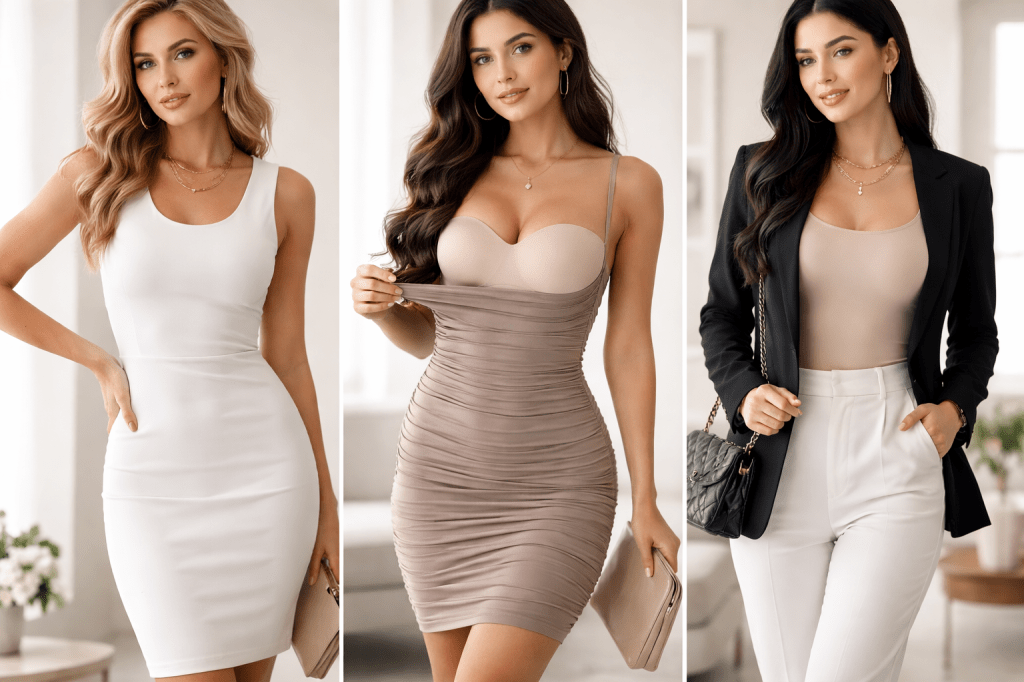
Wearing fitted outfits can feel empowering, until a visible panty line, bunching fabric, or uneven seams steal the spotlight. The good news is that a smooth look isn’t about changing your body; it’s about choosing the right base layers, fabrics, and fit details so your clothing drapes cleanly. Whether you’re styling a bodycon dress, slim-fit trousers, or a ribbed knit set, a few smart adjustments can make your outfit look more polished, comfortable, and confident from every angle.
Start With the Right Foundation Pieces
A smooth silhouette begins underneath your outfit. Think of foundation pieces as the “prep layer” that helps clothing glide rather than cling. The goal is to minimize friction, reduce fabric catching on seams, and avoid bulky lines.
Start by identifying what’s creating texture under your clothes: underwear edges, bra bands, thick waist elastic, or even the wrong size. Once you know the culprit, you can choose foundation items that are seamless, lie flat, and match your outfit’s cut. For many people, the biggest improvement comes from switching to lighter, smoother undergarments rather than piling on heavy shapewear.
Choose Seamless Underwear (and the Correct Cut)
Even the prettiest underwear can show through a fitted outfit if the edges are thick or sit in the wrong place. bodysuits for smooth looks and seamless underwear, especially laser-cut styles, help reduce lines because the edges are designed to blend into the skin instead of “gripping” it.
A few simple cut rules can help:
- Thong or seamless tanga: best for bodycon dresses, pencil skirts, and leggings when you want zero back lines.
- Seamless brief: great for comfort, but choose a style with flat, bonded edges (not thick hems).
- High-waist seamless: helpful under high-rise trousers or fitted skirts, especially if waistbands tend to dig in.
Also, avoid underwear that’s slightly too small. When elastic pinches, it creates visible indentations that show through smooth fabric, especially satin, jersey, or knitwear.
Pick a One-Piece Layer for the Cleanest Finish
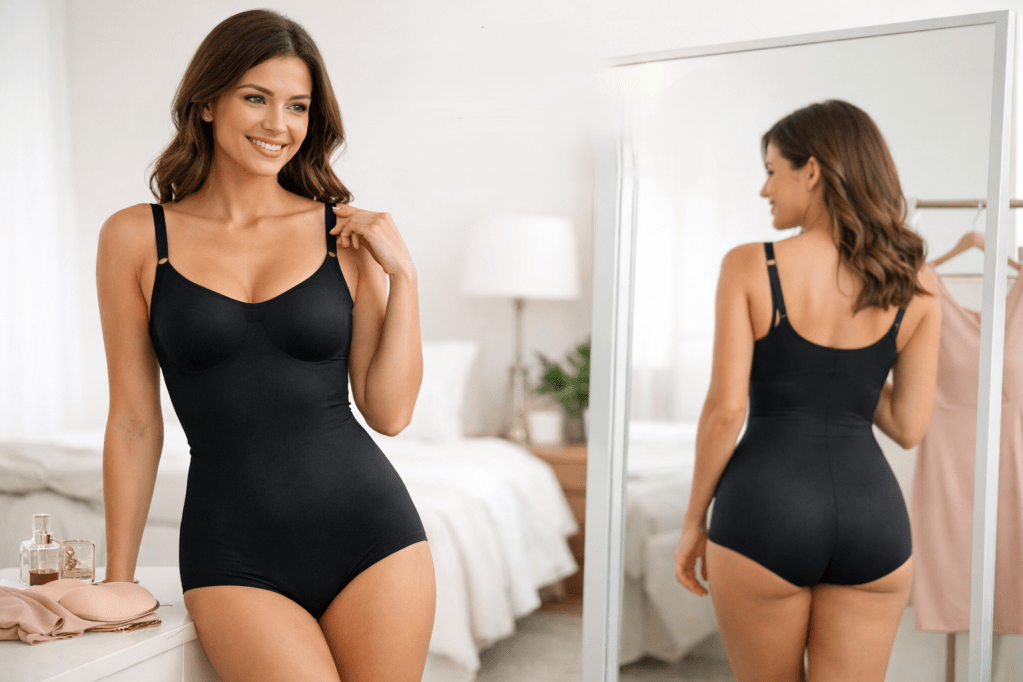
If you want a truly uninterrupted look, one-piece base layers are often the most effective. They smooth the midsection and prevent the “separate pieces” effect where underwear, camisoles, and waistbands overlap.
A great option to consider is a bodysuit for women by Invogue, especially when you’re wearing fitted dresses or tops that highlight the waist and hips. A well-fitting bodysuit creates a continuous line from torso to hip area, reduces bunching, and helps outer fabrics sit evenly. For best results, choose a version with smooth seams, breathable fabric, and the right level of support for your comfort, light smoothing for everyday wear or more compression for special occasions.
Match Fabric Weight and Outfit Material
Not all smoothing solutions work under all clothes. The outer fabric matters because thin materials show everything, while thicker fabrics forgive more.
Use these guidelines:
- Under thin or clingy fabrics (jersey, ribbed knits, satin): choose lightweight, seamless layers with minimal stitching. Thick shapewear seams can actually show through.
- Under structured fabrics (denim, suiting, ponte), you can use slightly firmer smoothing layers because the fabric won’t reveal as much texture.
- Under light-colored outfits, nude tones closest to your skin tone tend to disappear best. White under white often shows more than you’d expect.
When in doubt, do a quick mirror test in bright lighting; what looks fine in a dim bedroom can show lines outdoors.
Get the Fit Right: Sizing Is Everything
A common mistake is sizing down in shapewear or smoothing layers, assuming tighter equals smoother. In reality, too-tight pieces can create:
- Digging at the waist or thigh
- Rolling at the top edge
- Bulging at seam transitions
- More visible lines under fitted fabric
Aim for “snug and supportive,” not restrictive. If your smoothing layer rolls down or up, it’s usually a sign that the size is too small, or the rise isn’t right for your torso length. If possible, choose pieces designed for your body proportions (petite, tall, long torso) to reduce rolling and shifting.
Focus on Bra Lines, Side Spillage, and Back Smoothness
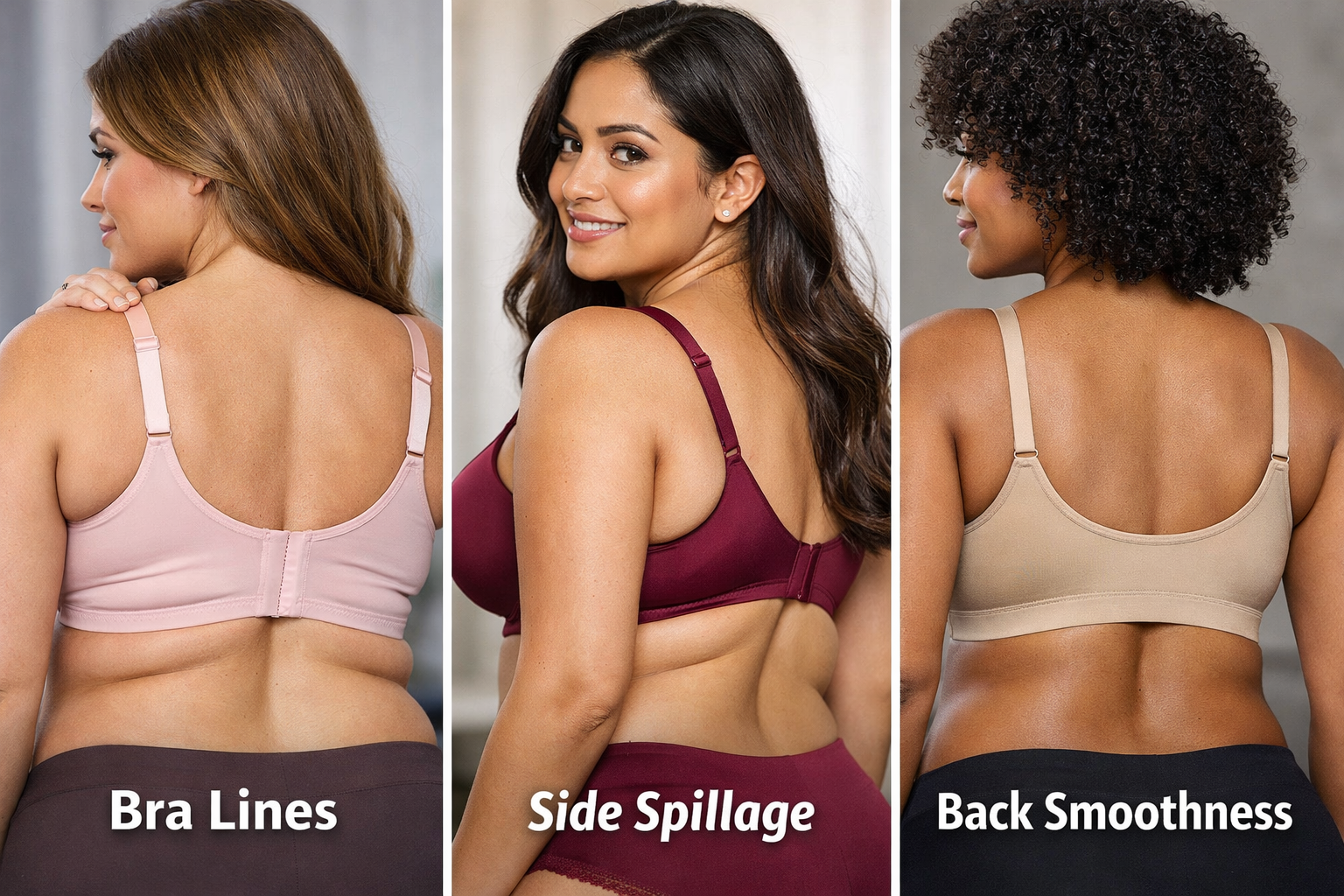
A smooth look isn’t only about the waist and hips. Bra lines and back bands can show under fitted tops and dresses, especially in stretchy fabrics.
Try these upgrades:
- Seamless or molded cups for a cleaner line under knits and tees.
- Wider back bands to distribute pressure and reduce indentation.
- Correct band size, a too-tight band creates visible “steps,” while a too-loose band rides up and wrinkles.
If you’re wearing a square-neck or deep-neck fitted outfit, a well-matched bra or bodysuit neckline helps maintain smoothness without visible edges peeking out.
Prevent Bunching and Riding Up While Moving
Many outfits look smooth when you’re standing still, but shift when you walk, sit, or dance. To keep things sleek:
- Choose anti-slip, well-fitted base layers that stay in place.
- Avoid layering too many items at the waist (like a tucked cami + tight waistband + shapewear).
- Consider bodysuits or one-piece solutions when you know you’ll be moving a lot.
Also, pay attention to seams on your outerwear: some fitted skirts and dresses have thicker zipper seams or lining seams that can print through. If the outer garment is the issue, switching to a slightly thicker fabric or a lined version can make a bigger difference than any underlayer.
Use Smart Outfit Styling Tricks for a Smoother Look
Sometimes the easiest smoothing hack is adjusting the outfit itself:
- Choose ruching strategically (side ruching can camouflage texture and lines).
- Opt for darker colors or prints when you want maximum forgiveness.
- Pick thicker knits or ponte for fitted looks that stay smooth.
- Look for built-in lining in dresses and skirts; it acts like an extra smoothing layer.
Even a small change, like sizing up one in a very clingy dress, can instantly create a cleaner drape. Simple styling tips make all the difference.
Conclusion: Smooth Doesn’t Mean Stiff – It Means Strategic
A smooth look under fitted outfits comes down to choosing the right foundations, matching fabrics thoughtfully, and prioritizing fit over extreme compression. Start with seamless underwear, upgrade to one-piece smoothing when you want the cleanest line, and make sure your base layers support your body without digging or rolling. With the right approach, your outfits will look sleeker, feel more comfortable, and move with you naturally, so you can focus on enjoying your style, not adjusting it.
 STYLES PHEREA
Leave a comment