South Indian cuisine has always been known for its bold flavors, aromatic spices, and cultural richness. Unlike many modern food fads, its recipes have been preserved and celebrated for centuries, blending tradition with taste. From crisp dosas and soft idlis to spicy chutneys and hearty rice dishes, South Indian food offers something for everyone. Recently, these flavors have crossed boundaries and gained international recognition. With an increasing appetite for authentic regional cuisines, South Indian dishes are now being appreciated globally for their balance of health, tradition, and unforgettable taste. What makes South Indian cuisine unique is not just the food itself but the philosophy of freshness, balance, and cultural identity it represents. Each dish tells a story of local produce, age-old cooking methods, and a love for food that has been passed down through generations.
Global Appeal Today
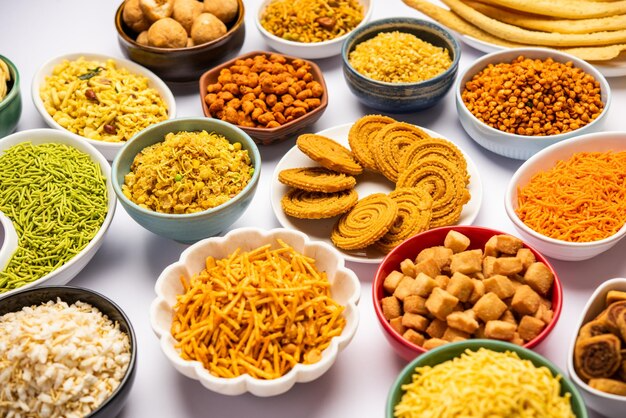
The diverse taste profiles of South Indian cuisine make it stand out in the global food scene. From spicy sambar to tangy rasam, these dishes combine complex flavors that satisfy adventurous eaters while remaining accessible to newcomers. The rise of vegetarian and plant-based diets has only amplified their popularity, as lentils, rice, and vegetables are staples of this cuisine. Food bloggers, chefs, and international travelers continue to showcase these dishes, sparking curiosity and admiration worldwide. The fact that many of these dishes are gluten-free, wholesome, and nutrient-rich has further propelled their global demand. For those eager to explore authentic flavors, it’s easy to visit Kuuraii for spicy south Indian snacks, offering a direct way to experience the tradition that has captured so many hearts. South Indian food is no longer just about regional pride it is becoming an integral part of global culinary conversations.
Street Food Sensation
Street food is at the core of South Indian culinary culture, drawing crowds with its affordability, variety, and flavor. Markets and roadside stalls sell favorites like paniyaram, masala puri, and crispy bonda, creating an atmosphere buzzing with energy and aroma. What makes these snacks special is their fresh preparation and vibrant taste, turning a quick meal into an unforgettable experience. Unlike packaged fast food, these offerings are rooted in tradition, often using recipes that have been perfected for generations. As international travelers discover them, these foods are now being showcased at global food fairs and festivals. They represent more than just quick bites they symbolize the everyday charm and authenticity of South Indian living. For many, trying South Indian street food becomes a gateway to appreciating the wider cuisine.
Rice-Based Classics
Rice is more than a staple in South Indian households it’s the centerpiece of countless iconic dishes. From fragrant biryanis layered with spices to the comfort of curd rice and the zest of lemon rice, these meals highlight the region’s diversity. Their appeal lies in their adaptability; they can be light and soothing or rich and indulgent. Rice-based classics also reflect cultural traditions, with different varieties prepared for festivals, weddings, or even as temple offerings. Chefs abroad frequently incorporate these recipes into restaurant menus, introducing their customers to unique flavors while emphasizing health and balance.
Coconut Infusion Delight
Coconut is an ingredient that defines South Indian cuisine, adding richness and depth to both savory and sweet preparations. Whether it’s the creamy coconut chutney with dosas, coconut rice served during festivals, or delicate coconut ladoos, this versatile ingredient plays a starring role. In coastal regions especially, coconut is an everyday essential, grounding the cuisine in its geography and culture. Internationally, coconut has gained a reputation as a healthy, plant-based food, making these dishes even more appealing to modern diets. Its mild sweetness and nutty undertones perfectly complement spicy flavors, creating harmony in every dish. Exploring South Indian culinary delights reveals how coconut’s prominence ensures foods remain fresh, flavorful, and deeply traditional. As coconut continues to rise as a “superfood” in global wellness trends, South Indian dishes that feature it naturally enjoy more attention.
Fermented Goodness
Fermented foods hold a special place in South Indian kitchens. Dishes like dosa, idli, and appam use natural fermentation to achieve light textures and subtle tanginess, offering both taste and fermented nutrition. These recipes have attracted attention worldwide, especially from health-conscious communities that value gut-friendly and naturally prepared meals. Fermented batters are simple yet ingenious, reflecting a culinary science passed down over centuries. The fermentation process enhances flavors while making dishes easier to digest, proving that traditional methods can stand the test of time.
Sweet Traditions
South Indian sweets are deeply tied to culture and celebrations, offering both indulgence and meaning. Classics like Mysore pak, adhirasam, and payasam are prepared with ingredients such as jaggery, coconut, and ghee, each carrying a story of tradition. Their unique textures and balanced sweetness set them apart from more common desserts, making them a pleasant surprise for international audiences. At festivals and weddings, these sweets symbolize joy, prosperity, and hospitality. The growing global curiosity for regional desserts has placed these sweet traditions in the spotlight, making them favorites at food expos and gourmet bakeries. South Indian sweets represent more than just indulgence they carry the warmth of culture and a sense of celebration, no matter where they are enjoyed.
Health Benefits of Tradition
One of the less-discussed but important aspects of South Indian cuisine is its emphasis on health. Traditional cooking methods use minimal oil, focus on steaming and fermentation, and rely heavily on lentils, vegetables, and spices with medicinal properties. Turmeric, curry leaves, and mustard seeds are staples known for their healing benefits. This focus on balance and nutrition makes South Indian food a natural fit for modern health-conscious eaters.
You may also like to read: Elegant Twinning Styles Perfect for Photoshoots
Conclusion
Traditional South Indian flavors are no longer confined to the region they’ve become global treasures. From street snacks to rice classics, coconut-rich curries, fermented delights, and unique sweets, every dish carries a blend of heritage and authenticity. These foods embody the warmth of culture while appealing to modern tastes, creating a perfect balance of flavor and nutrition.


Leave a comment