Accessories can either polish an outfit into something intentional or pull it in too many directions at once. The secret isn’t owning more items; it’s learning how to combine what you already have so the look feels steady, flattering, and personal. A balanced approach makes space for creativity while keeping the result wearable, whether you’re dressing for work, a weekend plan, or an evening event.
Start With a Single Anchor Item
Balance becomes easier when one piece leads the conversation. Choose a focal point such as a bold pair of earrings, a structured watch, a sculptural ring, or a statement bag, then let everything else support that choice. When you build around one anchor, your styling decisions become clearer, because you’re not asking every accessory to compete for attention at the same time.
Match the Energy of Your Outfit, Not Just the Colors
Color coordination helps, but it’s only one part of harmony. An outfit also has “energy” sleek, relaxed, romantic, edgy, sporty and your accessories should match that mood. A crisp blazer can carry sharper lines and clean metals, while a flowing dress may call for softer shapes and organic textures. If you want fresh ideas that still feel cohesive, visit Reia Diamonds collection and use one standout piece as your anchor, then keep the rest understated for a confident finish.
Keep Proportions in Check
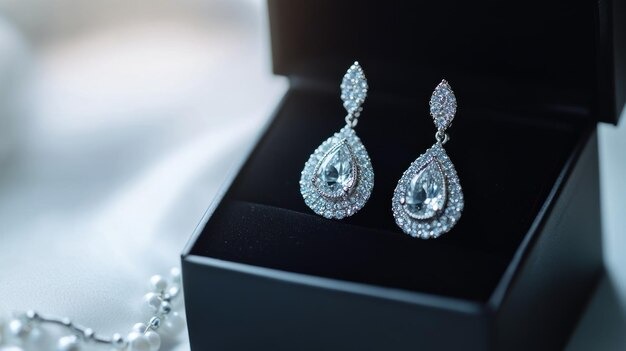
Proportion is the quiet rule that makes styling look effortless. If your outfit has volume wide sleeves, oversized knits, dramatic collars choose accessories with simpler outlines so the look stays breathable. If your clothing is streamlined, you can introduce dimension through chunkier hoops, layered chains, or a bolder cuff. The goal is a visual “see-saw”: when one side feels heavy, lighten the other side to maintain equilibrium. A practical way to find pieces that fit your style is by exploring modern jewellery shopping, where curated selections help you see what works with your wardrobe before committing.
Use a Consistent Metal Story
Mixing metals can be stylish, but it works best when it’s intentional rather than accidental. Pick a primary metal tone and repeat it at least twice, then add a second metal as a small accent like a two-tone ring with a matching clasp or a bracelet that echoes a pendant detail. Consistency gives the eye a trail to follow, which makes the mix feel designed instead of random.If you love frequent outfit changes, consider choosing one “signature” metal you wear most days, then treat other tones as occasional highlights so your collection always feels compatible.
Build Layers With Spacing, Not Clutter
Layering looks refined when each piece has room to be noticed. With necklaces, vary lengths so chains don’t tangle visually; with bracelets, alternate textures and leave a little skin showing; with rings, spread accents across both hands rather than stacking everything on one finger. A good rule is to stop adding when the last piece doesn’t improve the outfit’s message because the point is clarity, not volume.When layering, aim for contrast in thickness: pairing two identical chains can look accidental, but mixing a fine chain with a slightly bolder one creates depth without noise.
Make Daily Pieces Do More Work
The most wearable looks usually rely on reliable staples that can shift across settings. A clean pair of studs, a thin chain, a simple band, or a practical watch can act as the foundation that supports trendier items. When you invest in everyday jewelry pieces that suit your lifestyle, they become the glue that keeps your accessory choices grounded, even when you change outfits or add bolder accents.To stretch these staples further, coordinate them with your most-used bag hardware or belt buckle tone so your look feels naturally “pulled together” with minimal effort.
Balance Texture and Shine
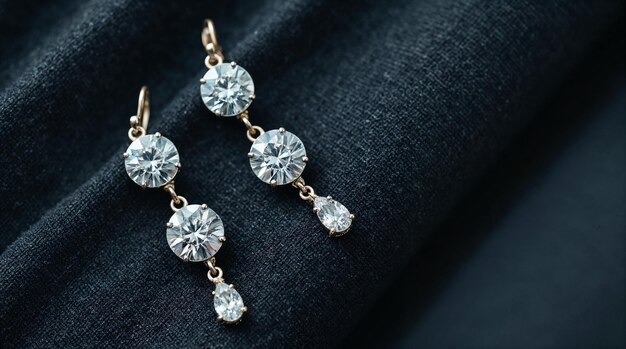
Shine attracts attention, while matte finishes and textured materials create depth. If you’re wearing glossy hardware on a bag, consider keeping jewelry more delicate, or use brushed metal to soften the effect. Likewise, if your outfit includes textured fabric tweed, linen, ribbed knits, smooth jewelry can provide contrast that looks crisp. Thinking in terms of finish prevents everything from reflecting light at once, which can make an outfit feel busy.When you’re unsure, keep one category luminous (like earrings) and let the other category stay muted (like a matte bracelet) so the outfit has a clear highlight.
Know When to Repeat, and When to Contrast
Repeating one visual element shape, gemstone color, motif, or line creates unity fast. For example, a rounded bag silhouette can pair naturally with hoop earrings, while angular sunglasses may work better with geometric studs. Contrast is also powerful, but it should be controlled: pair one unexpected item with familiar basics so the overall look still feels stable. This is how stylish accessory combinations look modern without becoming chaotic.A simple approach is the “one twist” rule: add a single contrasting detail like a bold ring with an otherwise minimal set rather than mixing multiple contrasting statements at once.
Conclusion
A balanced accessory look isn’t about strict rules; it’s about choosing a clear direction and editing with purpose. Start with one focal item, support it with thoughtful proportions, and use repetition to create flow. When each element has a reason to be there, your accessories won’t feel like extras; they’ll feel like the finishing touch that makes the entire outfit look complete.


Leave a comment