
Modern nutrition science often highlights “new” health trends, yet many of the most beneficial foods are not new at all. Ancient civilizations built resilient diets around nutrient-dense staples that were easy to grow, store, and prepare. These foods were valued not only for survival, but for sustained energy, strength, and daily vitality—principles that align closely with today’s goals of balanced living.
Revisiting ancient superfoods is not about romanticizing the past. It is about learning from time-tested ingredients that can complement modern lifestyles shaped by busy schedules, processed convenience foods, and rising lifestyle-related concerns. By integrating these traditional foods thoughtfully, it becomes easier to support steady energy, digestive comfort, and overall dietary quality without relying on extreme restrictions.
Millets
Millets have been cultivated for thousands of years across Asia and Africa, prized for their hardiness and ability to thrive in challenging climates. Nutritionally, they are known for providing complex carbohydrates, fiber, and important minerals, making them a smart choice for people seeking sustained energy rather than quick spikes and crashes. Their naturally gluten-free profile also makes them useful for those who prefer diversified grain options.
In modern kitchens, millets are versatile enough to fit everyday routines. They can be cooked into warm breakfasts, used as a rice alternative, or incorporated into batters and doughs depending on regional preferences. If convenience is a priority, choosing a millets combo pack can make experimentation easier by offering variety without requiring multiple separate purchases.
Chia and Flax Seeds
Seeds have held an important place in traditional diets for centuries, especially as compact sources of nourishment that store well. Chia and flax seeds stand out today because they offer a blend of fiber and healthy fats that support satiety and help round out meals. Their ability to absorb liquid and thicken also makes them easy to integrate into modern recipes without major changes in cooking style.
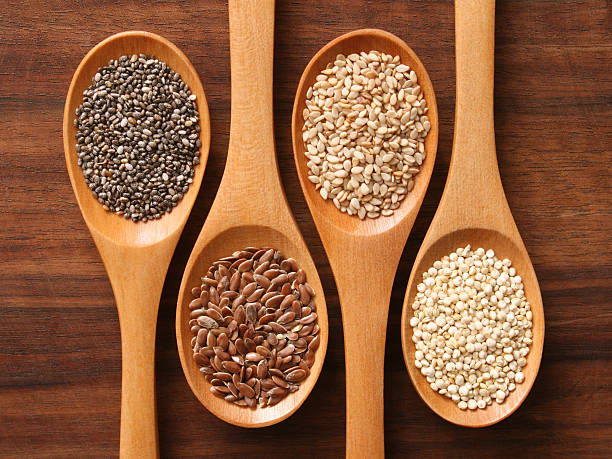
For a contemporary approach, these seeds can be added to smoothies, yogurt, porridges, and baked goods, where they contribute texture and nutritional value. When used consistently in moderate portions, they can complement a balanced eating pattern focused on whole foods. The key is to treat them as supportive additions rather than quick fixes, pairing them with adequate hydration and varied meals.
Fermented Foods
Fermentation is one of humanity’s oldest food techniques, originally developed to preserve ingredients and enhance flavor. Across cultures, fermented foods such as yogurt, kefir, kimchi, sauerkraut, and traditional pickles became dietary staples. Today, their popularity is closely linked to interest in digestive health and the role of beneficial microbes in overall wellness.
In a modern healthy lifestyle, fermented foods can add complexity and brightness to meals while supporting dietary variety. They are easiest to maintain as a habit when used in small, consistent servings—alongside vegetables, proteins, and whole grains. Choosing minimally processed versions with lower added sugars and unnecessary additives helps keep these foods aligned with broader health goals.
Turmeric
Turmeric has been used for centuries in South Asian culinary traditions and wellness practices, valued for its earthy flavor and vibrant color. In everyday cooking, it functions as more than a spice; it is part of a broader approach to building flavorful meals that rely on herbs and spices rather than excessive sugar or heavy sauces. This makes it highly compatible with modern preferences for cleaner, more ingredient-forward cooking.
From a practical perspective, turmeric is easy to incorporate into soups, stews, lentil dishes, roasted vegetables, and marinades. Many people pair it with black pepper and a source of fat in recipes, as traditional cooking methods often do, which can support culinary functionality. Used consistently in normal food amounts, it contributes to a pattern of eating that emphasizes plant-based variety.
Lentils and Legumes
Long before modern protein products existed, traditional diets relied on lentils and other legumes for affordable, nourishing meals. Lentils, chickpeas, and beans provide a combination of plant protein, fiber, and minerals that can help support fullness and balanced meal structure. Their slow-digesting carbohydrates can be especially helpful for those who want steady energy throughout the day.
In a modern context, legumes fit seamlessly into meal prep because they can be cooked in batches and used in multiple dishes. They work well in salads, soups, stews, and spreads, offering flexibility for different cuisines and dietary preferences. Pairing legumes with grains and vegetables can create satisfying meals that feel substantial without being overly heavy or dependent on ultra-processed ingredients.
Ancient Greens
Traditional food systems often emphasized nutrient-rich greens that could be harvested locally and used in simple preparations. Moringa leaves, used in parts of Africa and Asia, are valued for their dense nutrient profile and adaptability in cooking. Seaweed, a longstanding staple in coastal cultures, also offers a distinct set of minerals and contributes a savory depth that can reduce the need for excessive seasoning.
For modern lifestyles, these greens can be used strategically to increase dietary diversity. Moringa is often found in powdered form that blends into smoothies, soups, or sauces, while seaweed can be added to broths, grain bowls, or simple snacks. The goal is not to treat them as miracle ingredients, but as tools to broaden micronutrient intake through real, consistent food choices.
Raw Honey and Dates
Natural sweeteners such as raw honey and dates have deep historical roots, used in many cultures long before refined sugar became common. Their appeal today lies in flavor complexity and the way they can help people reduce reliance on heavily processed sweets. Dates also provide fiber and are often used to add sweetness while supporting texture in homemade snacks and desserts.

A modern healthy lifestyle benefits most when these sweeteners are used with intention. Small amounts can elevate breakfast bowls, dressings, and baked goods, making healthier recipes more enjoyable and sustainable. Keeping portions reasonable remains important, but these traditional ingredients can make balanced eating feel less restrictive and more satisfying over the long term.
Conclusion
Ancient superfoods endure because they solved real dietary needs: steady nourishment, practical storage, and everyday versatility. From millets and legumes to fermented foods and functional spices, these ingredients can support modern goals like consistent energy, improved meal quality, and greater dietary variety. They also encourage a return to simple cooking methods that highlight whole foods rather than overly engineered alternatives.
The most effective way to use ancient superfoods is not to overhaul your diet overnight, but to integrate them gradually and consistently. When paired with modern nutrition awareness—balanced portions, mindful sugar intake, and a focus on minimally processed foods—these traditional staples can serve as reliable foundations for long-term healthy living.


Leave a comment